
Study on the Roles of Sub-national (Provincial and Local) Governments in Climate Actions in Lumbini Province
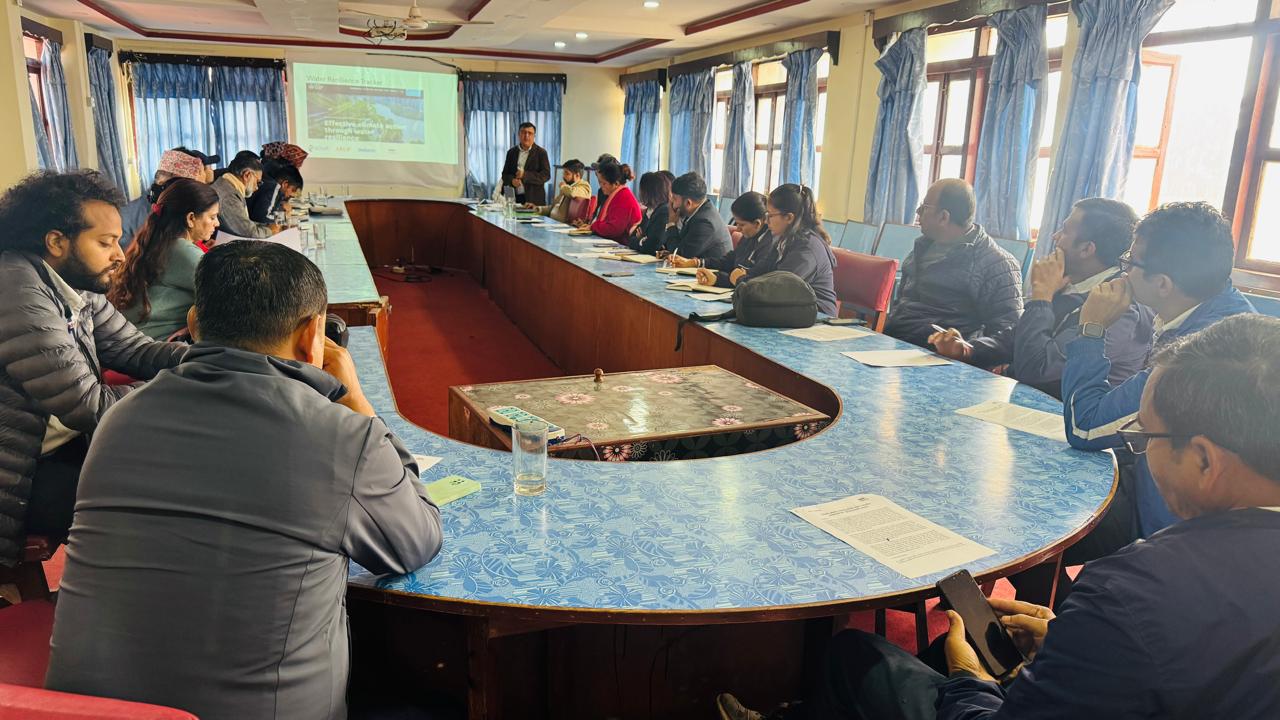
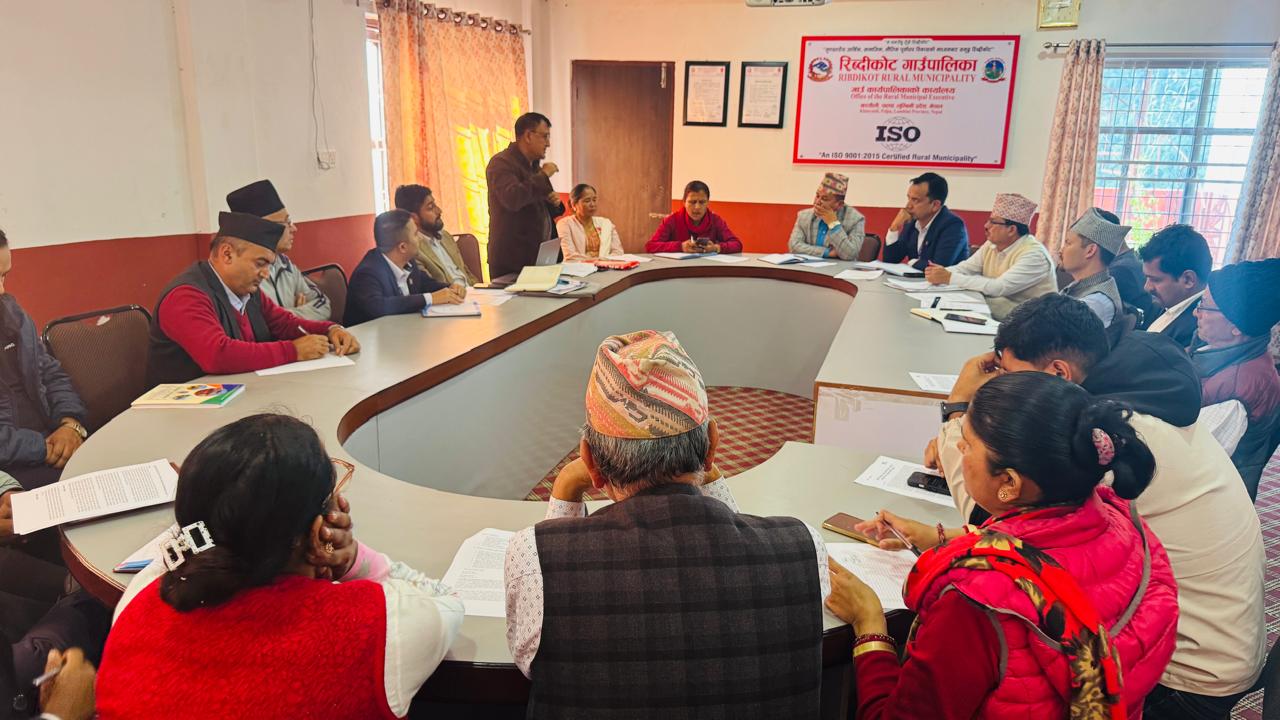
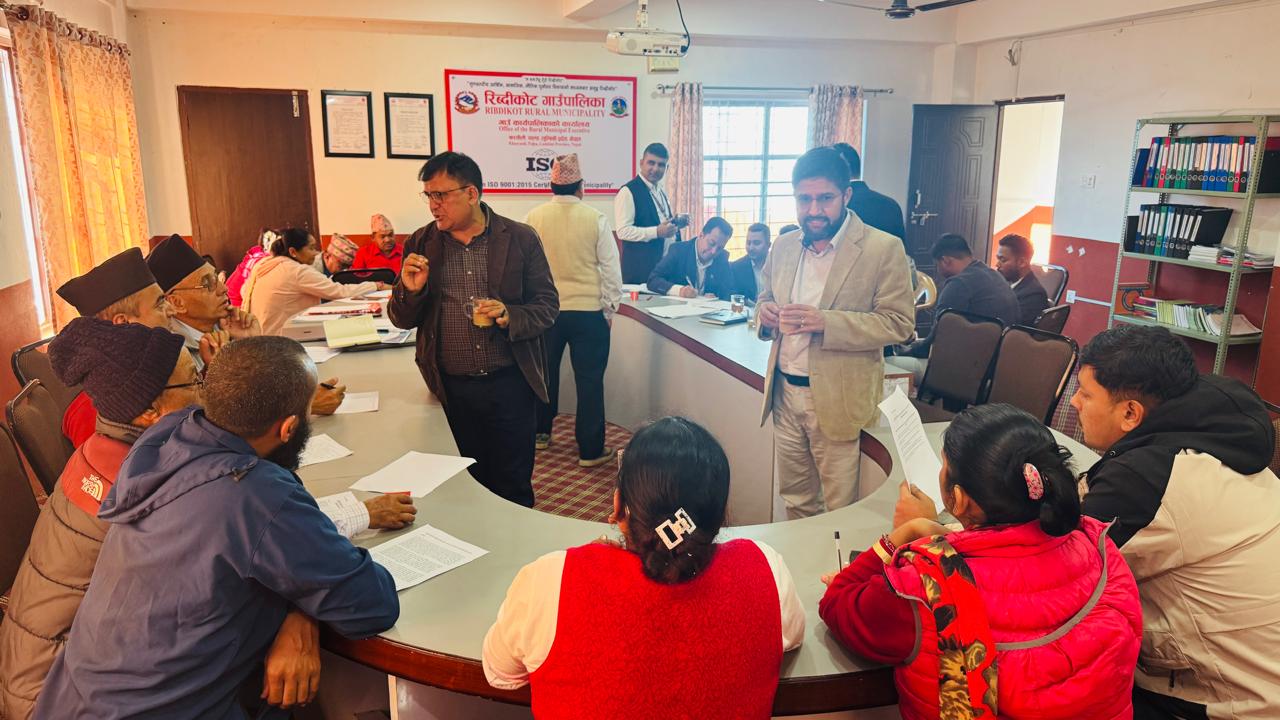
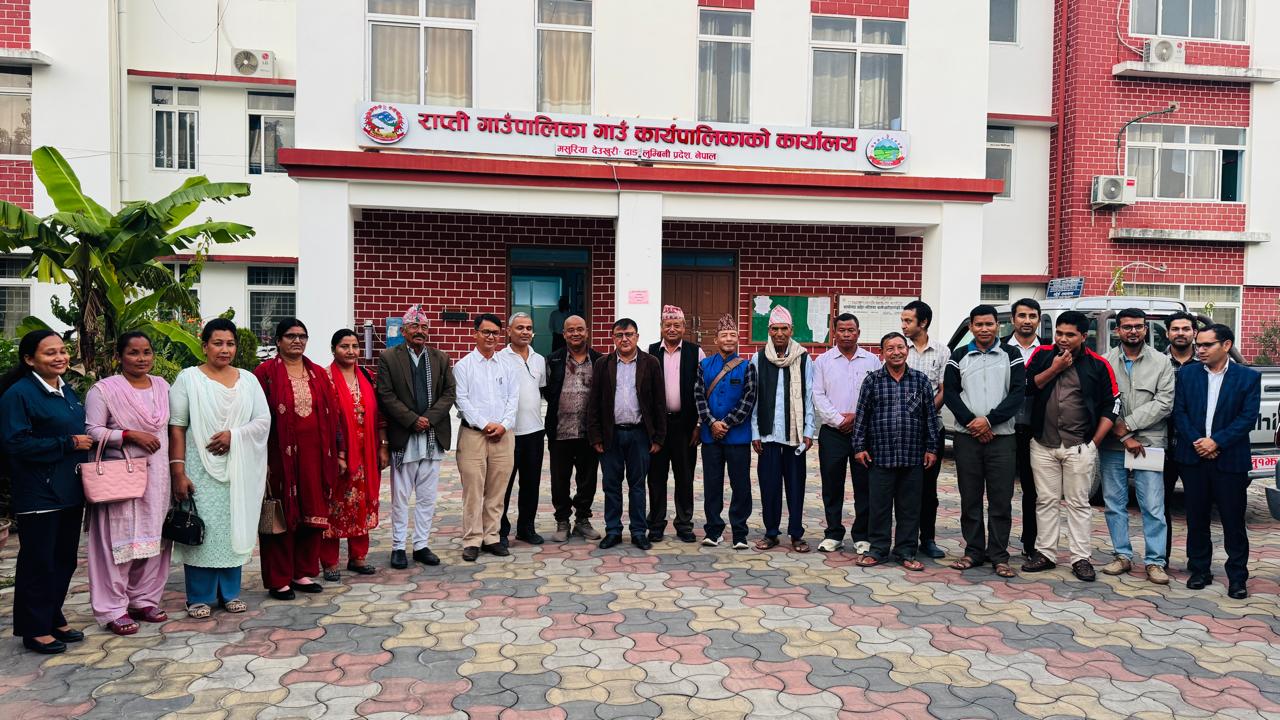
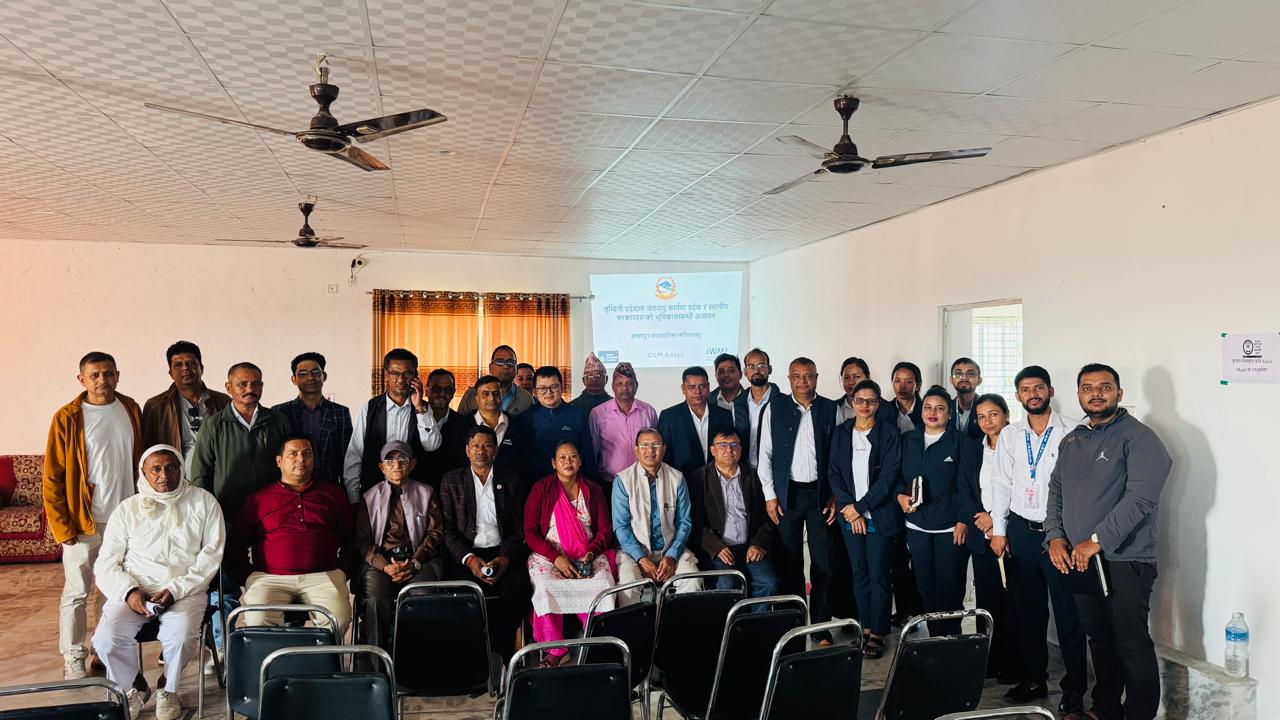
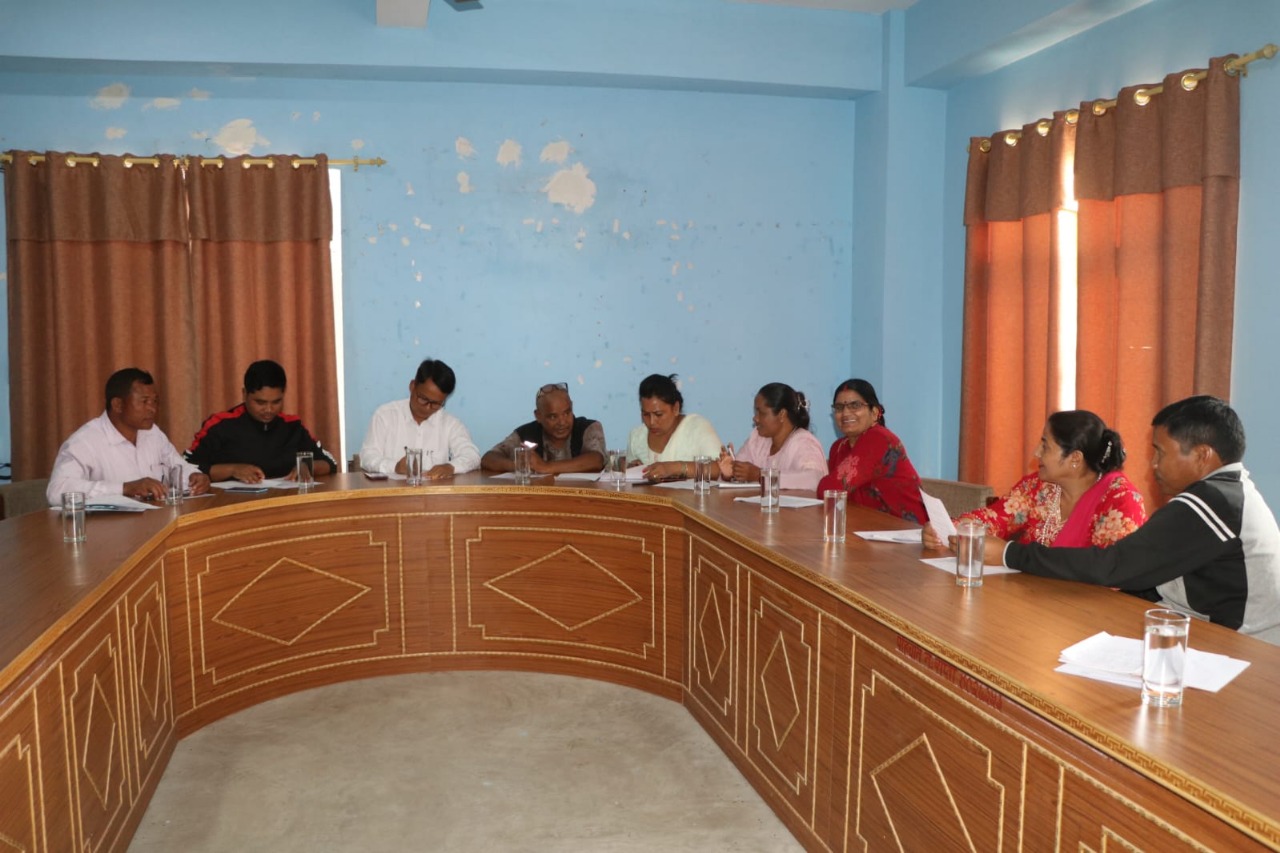
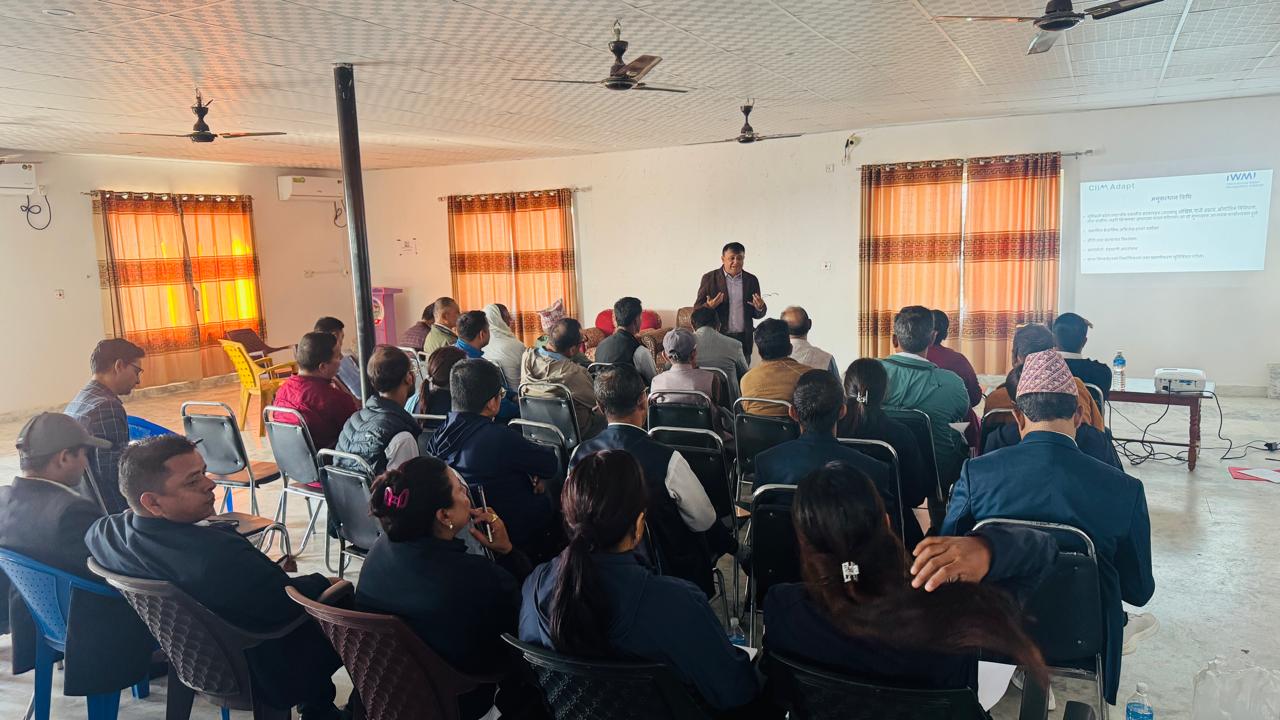
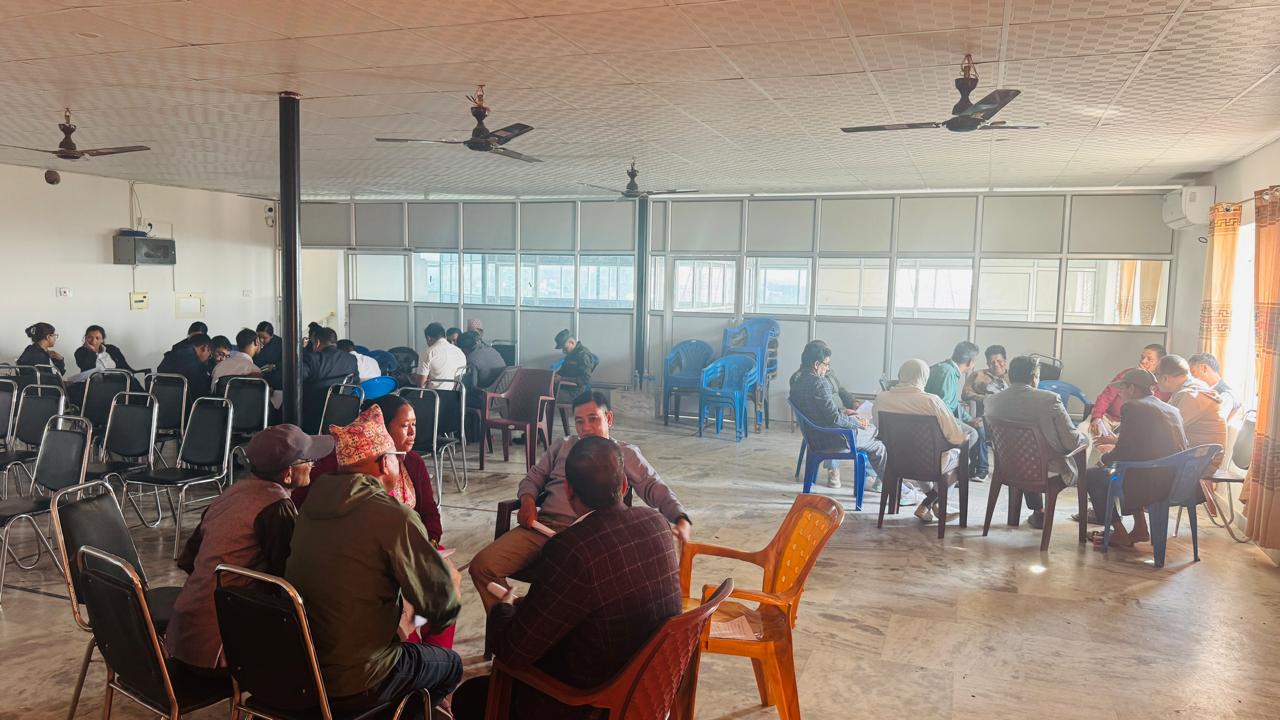
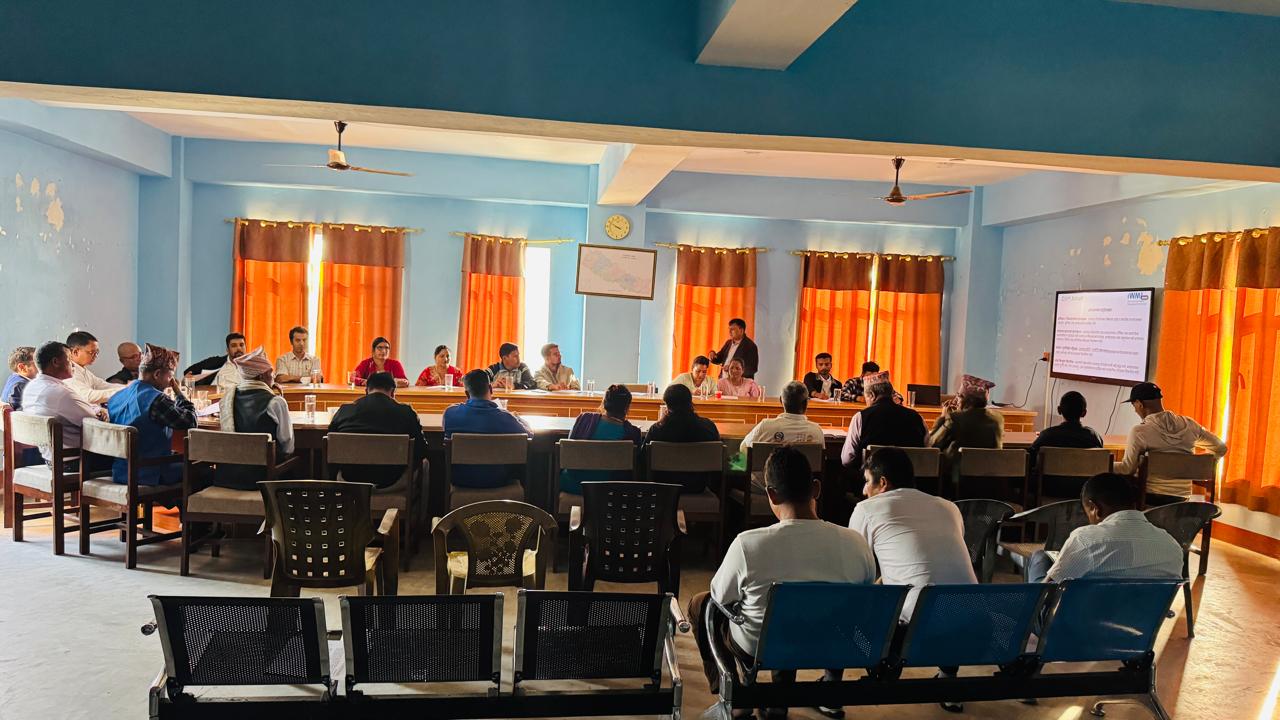
Clim Adapt, in collaboration with the International Water Management Institute (IWMI) under the Water Resilience Tracker Phase II and with support from the Foreign, Commonwealth & Development Office (FCDO), is conducting a study in Lumbini Province and selected local governments. The objective of this study is to assess the roles, performance, and potential of subnational governments in advancing climate action.
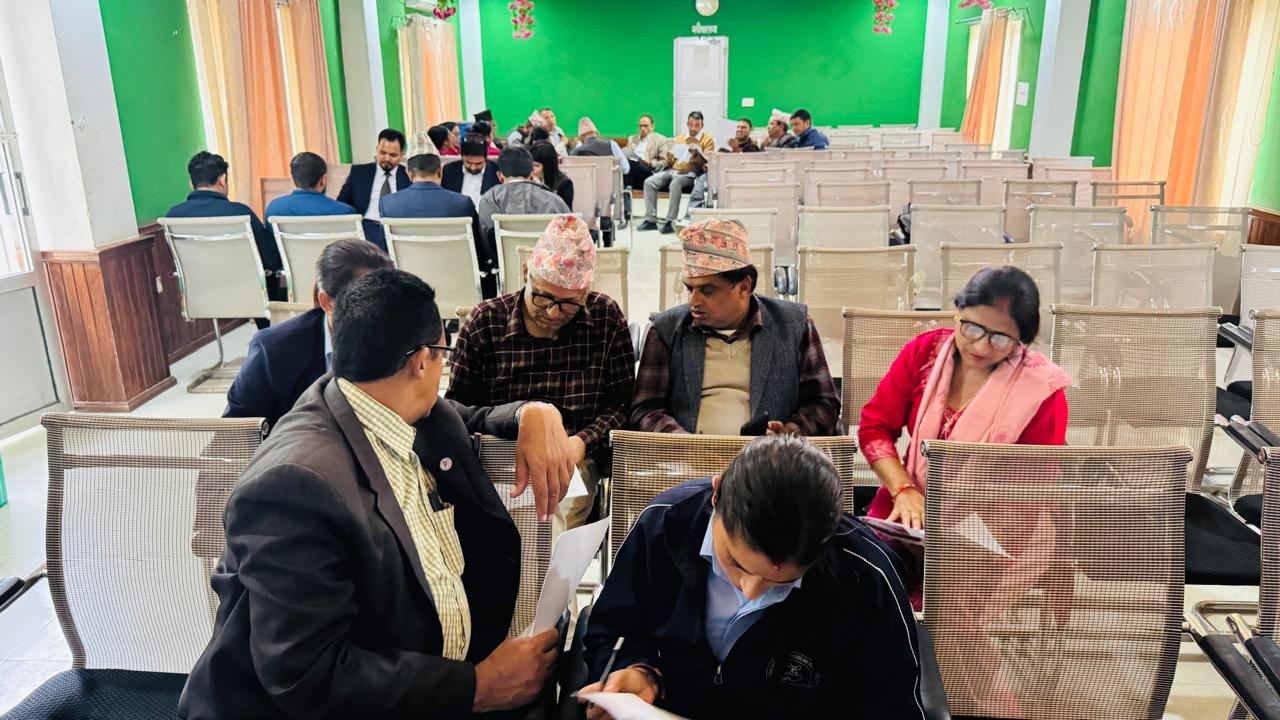
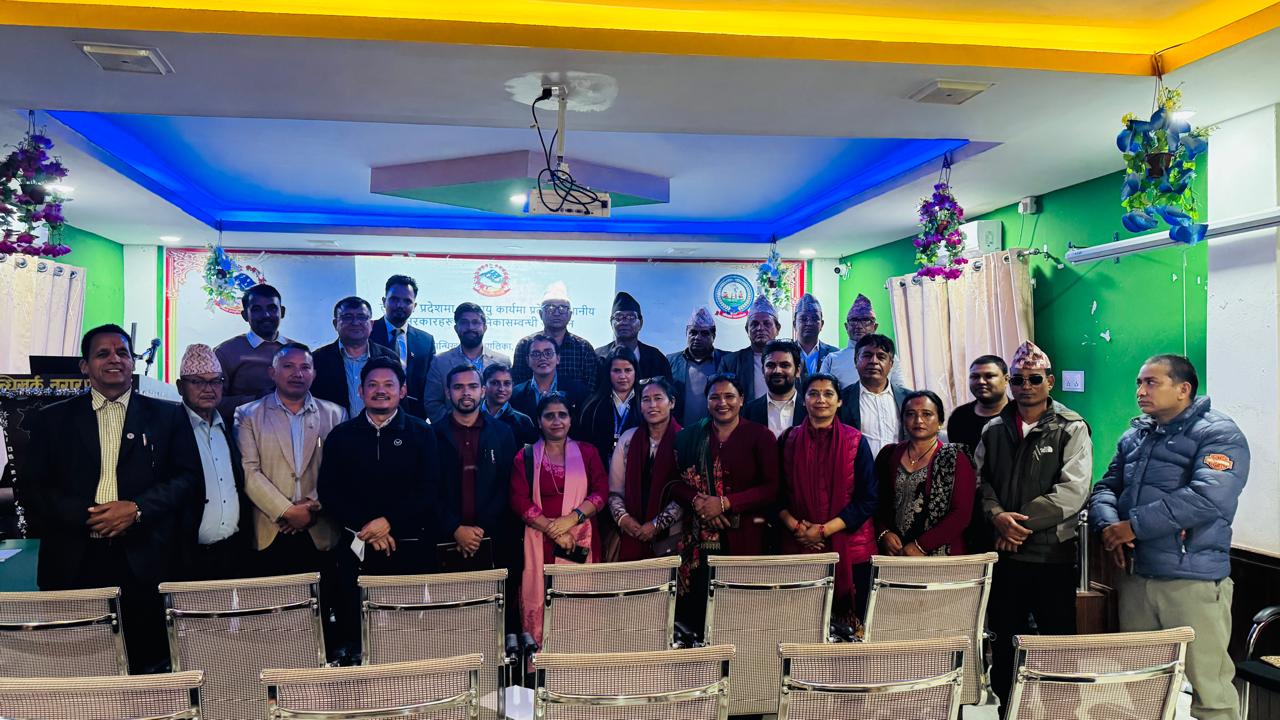
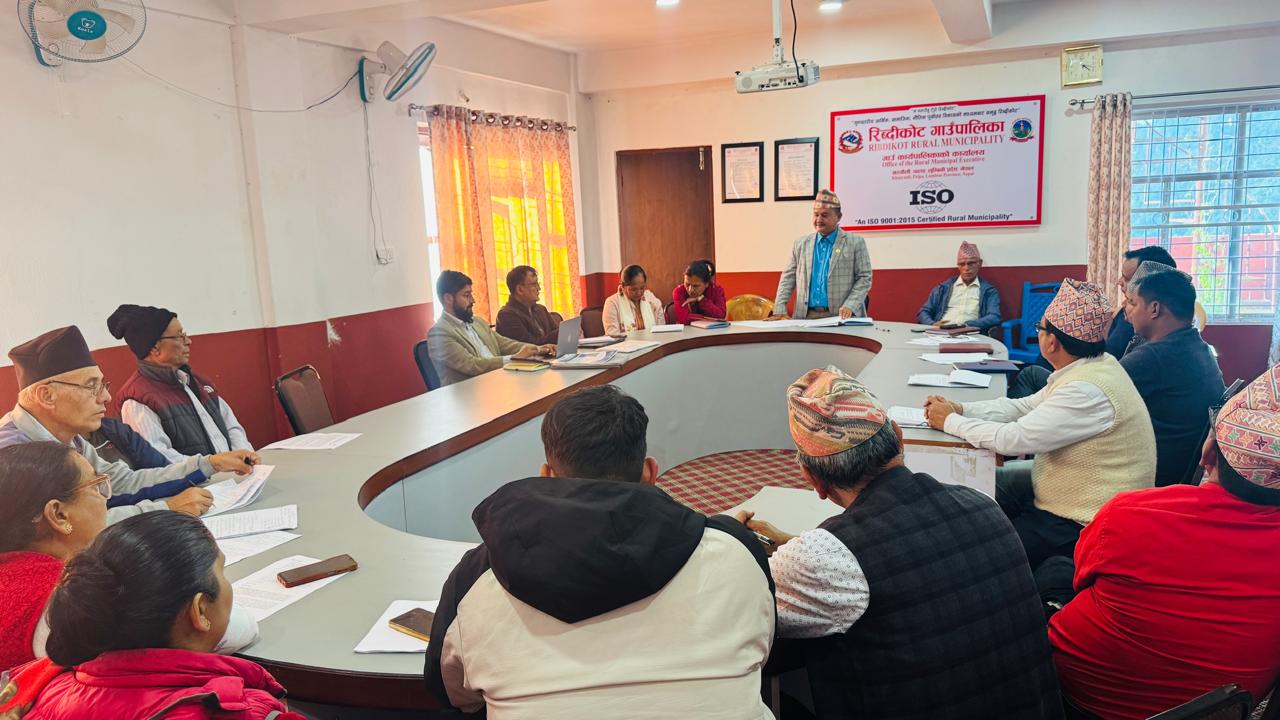
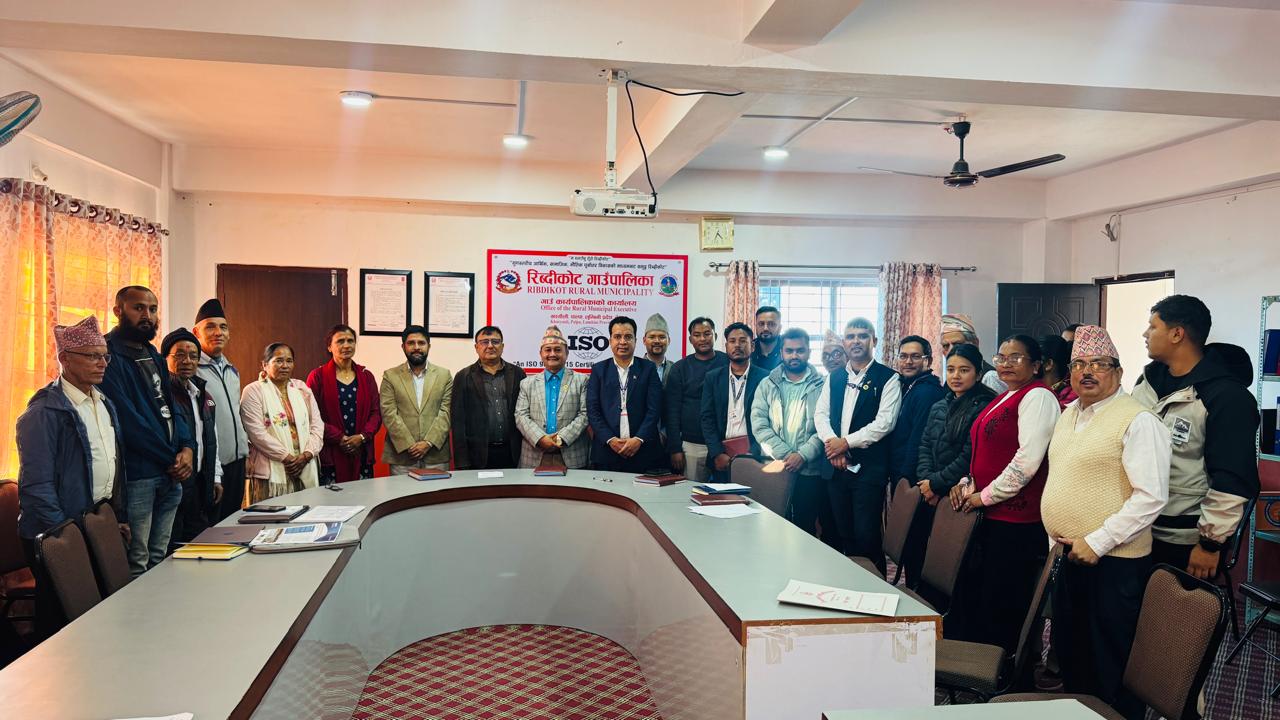
As part of the study, consultations and case studies have been carried out in Tansen Municipality (Palpa), Ribdikot Rural Municipality (Palpa), Sandhikharka Municipality (Arghakhanchi), Banganga Municipality (Kapilvastu), and Rapti Rural Municipality (Dang). These consultations engaged Mayors, Deputy Mayors, Chairs, Vice Chairs, Ward Chairs and Members, local government staff, and civil society representatives involved in managing water resources, forests, and other natural resource-based livelihoods.
The study aims to examine the policy, institutional, and practice-level factors that enable or constrain the effective engagement of Nepal’s provincial and local governments in gender equality and social inclusion (GESI)-responsive climate actions, with a particular focus on climate-resilient water management. It seeks to generate evidence-based recommendations to strengthen subnational climate governance and enhance the capacity of local governments to integrate and mainstream climate change considerations into their policies, plans, and practices.
The interactions were facilitated by Dr. Santosh Nepal from the International Water Management Institute (IWMI) and Dr. Popular Gentle, Clim Adapt.