
Multistakeholder Dialogue on Mainstreaming Climate Change, Disaster Risk Reduction (DRR), and GEDSI Agendas
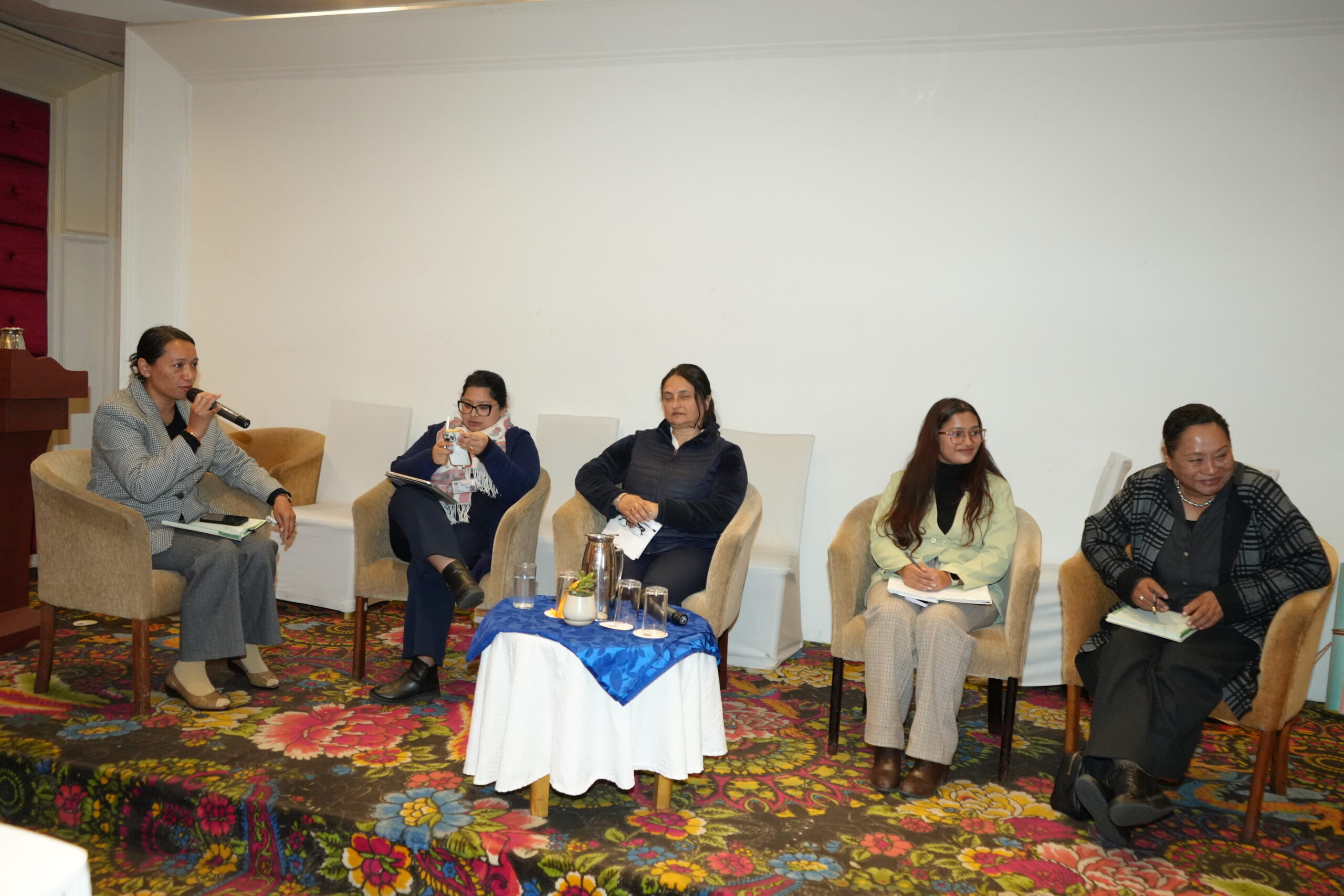
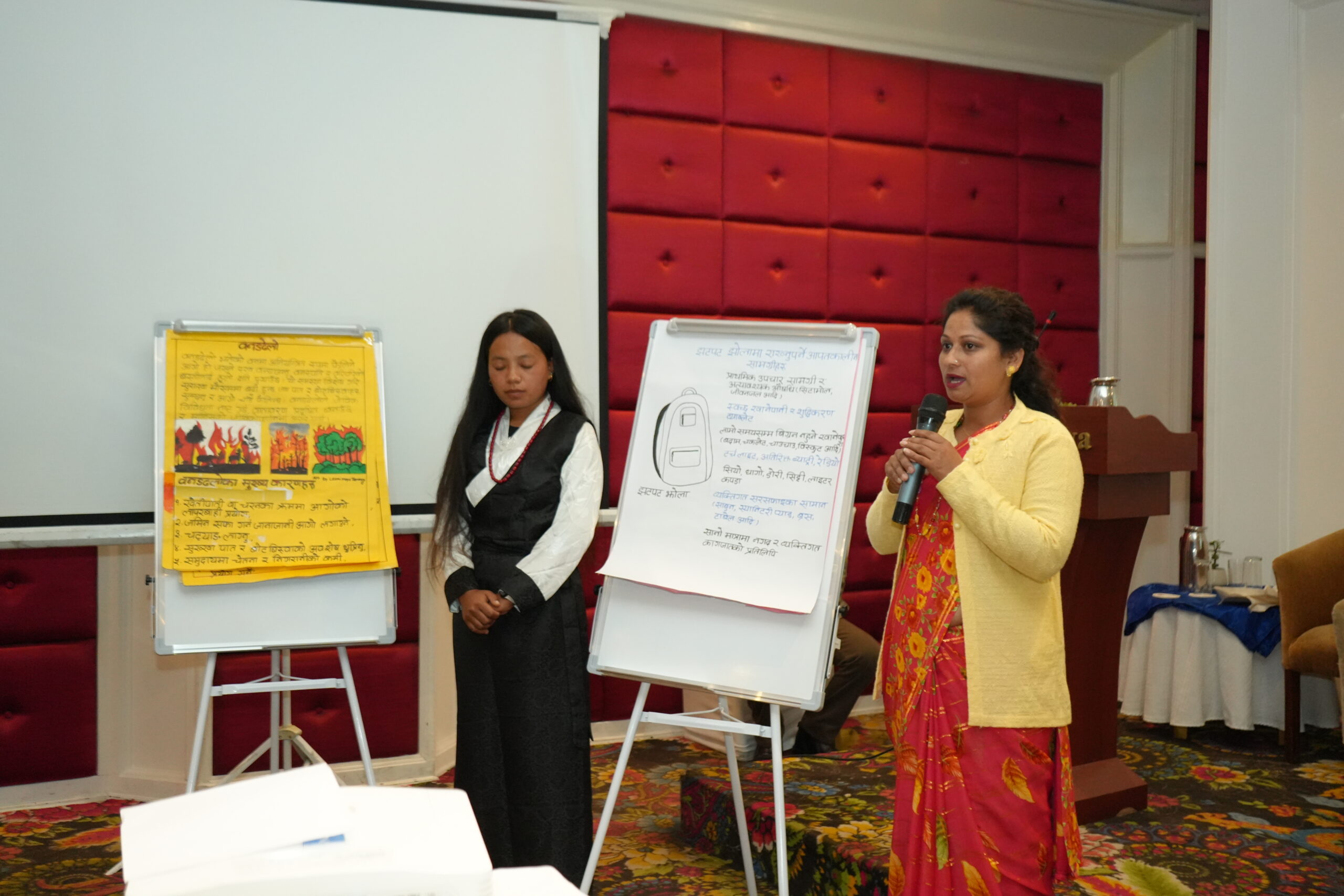
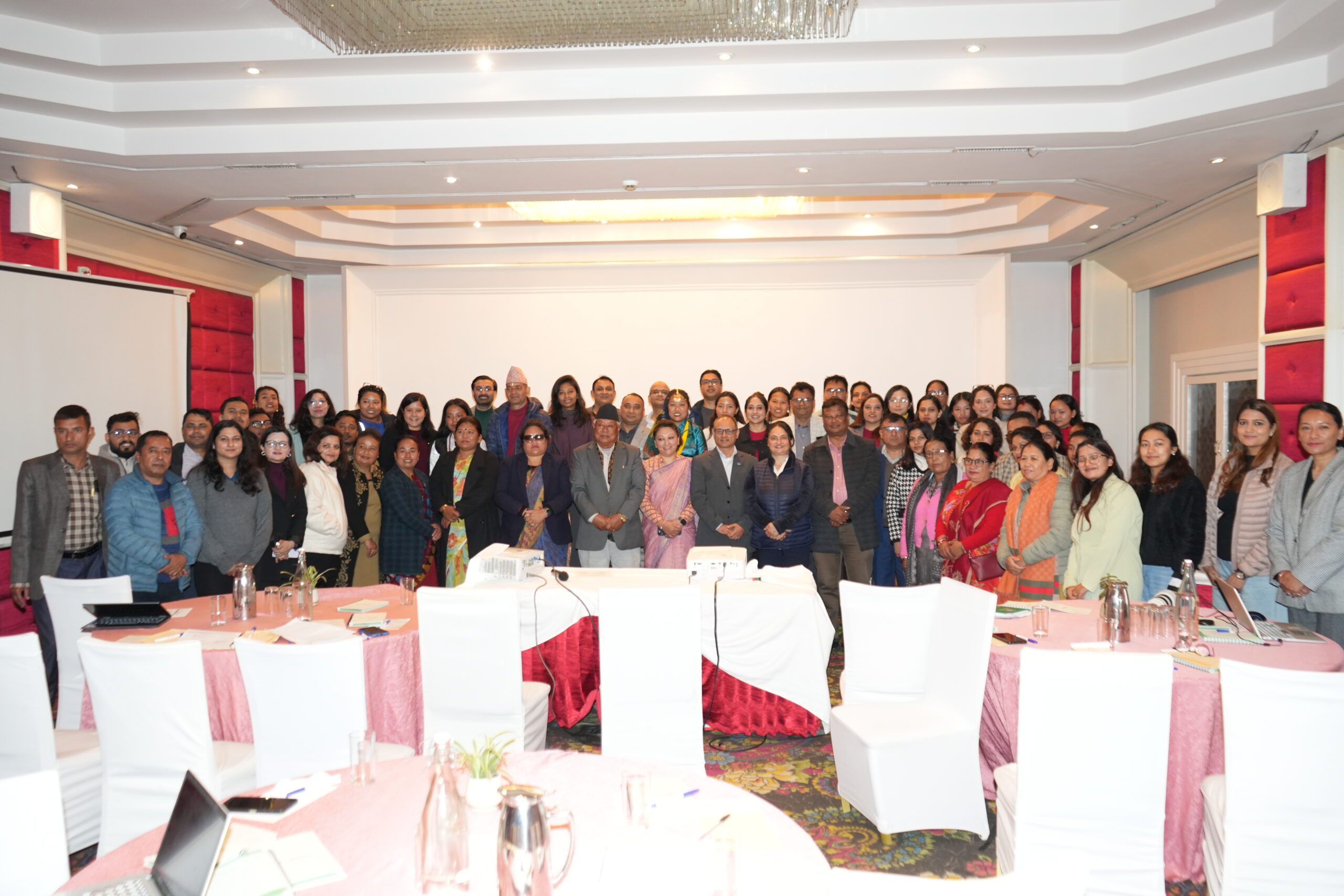
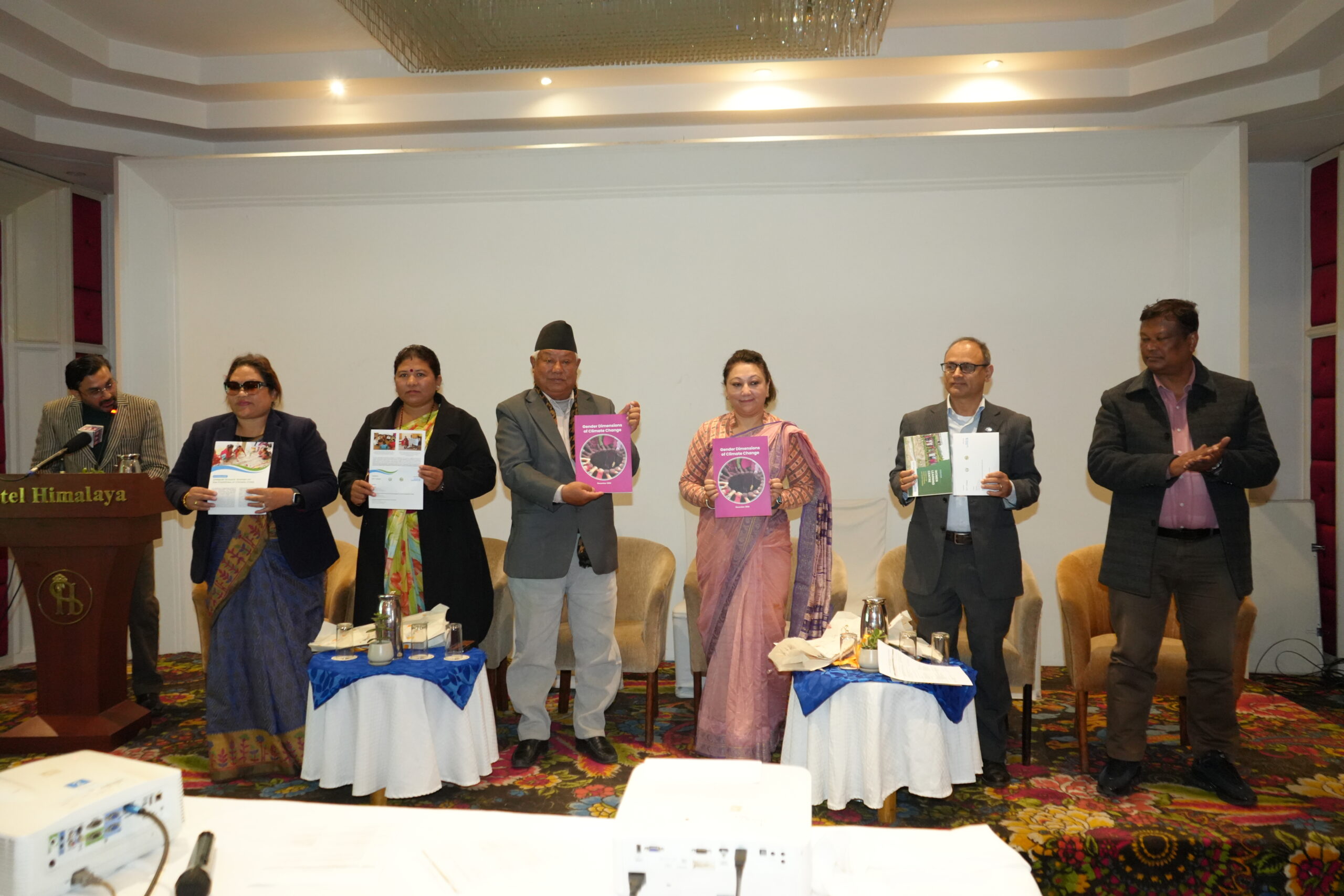
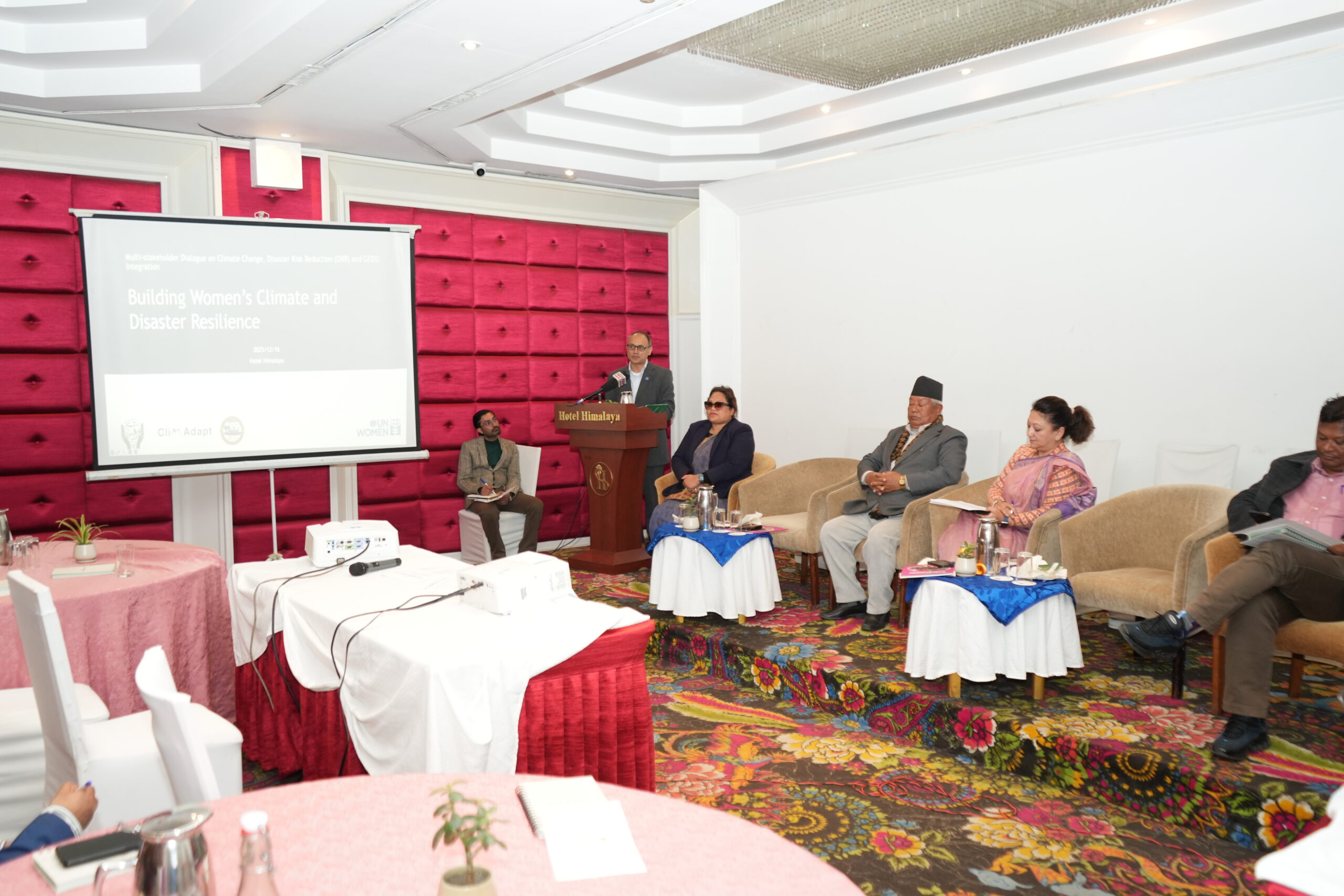
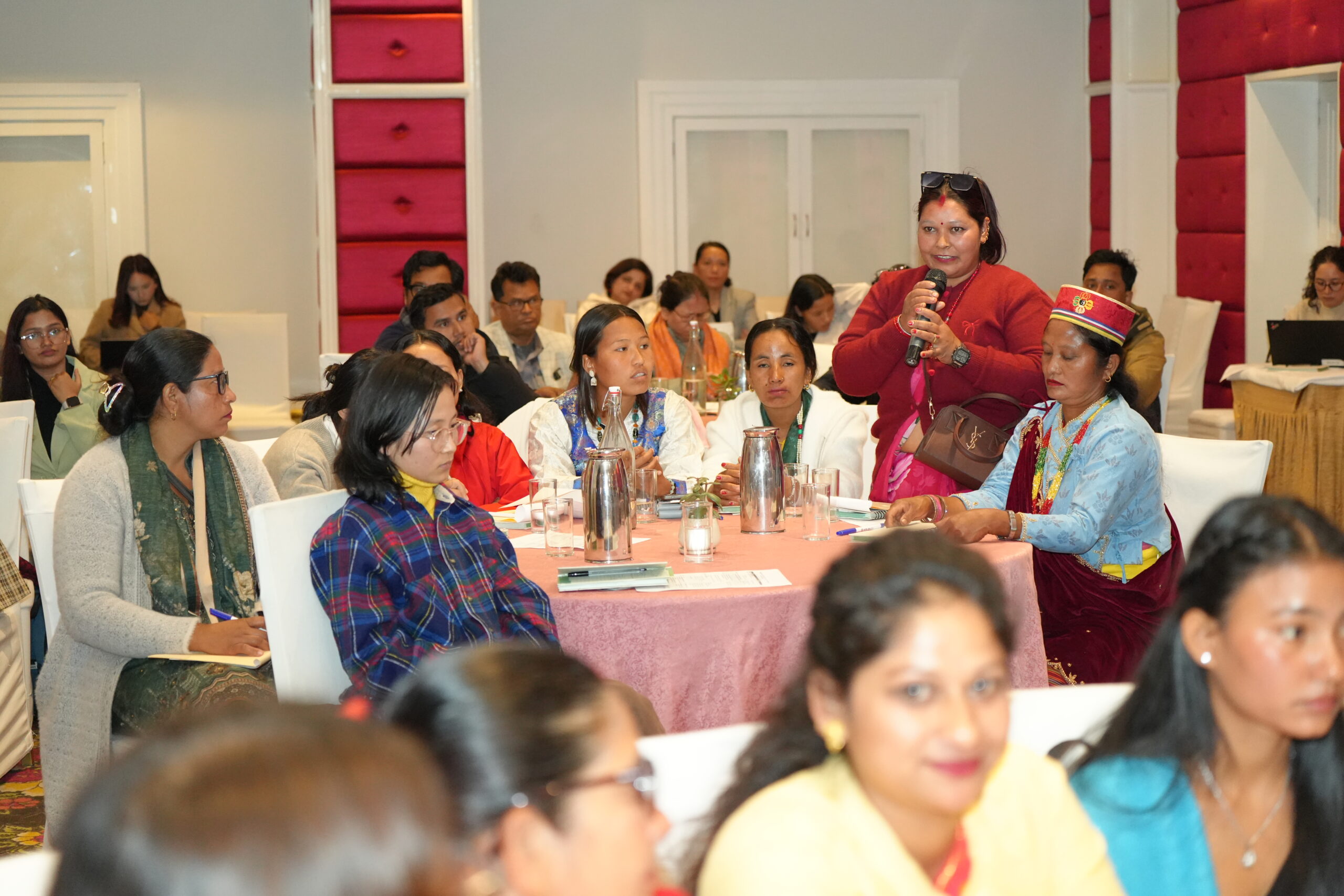
The Multistakeholder Dialogue on Mainstreaming Climate Change, Disaster Risk Reduction (DRR), and GEDSI agendas, held on 16 December 2025, brought together a total of 83 participants from diverse backgrounds, including policymakers, development partners, women leaders, youth champions, and practitioners, to strengthen inclusive and gender-responsive climate action and DRR, with over 57% of female participants. The session was chaired by Dr. Maheshwar Dhakal, Chief, CCMD, Ministry of Forest and Environment (MoFE), followed by the presence of distinguished guests from the MoFE Bagmati Province, Division Head, Ajay Bikram Manandhar, the local government representatives from five palikas, including the Mayor of Namobuddha Municipality, Kunsang Lama, Vice-chairperson from Marin Rural Municipality, Bimala Majhi, Vice- chairperson from Bethanchowk Rural Municipality, Tara Rana, Environment and Women Section Head from Dhulikhel Municipality and Hariharpurgadhi Rural Municiapality, members from five women learning centres from two districts (Kavrepalanchok and Sindhuli), Sama Shrestha, and Bivishika Bhandari from UN Women Nepal, together with youths, and other development partners. The findings and impacts of the project were shared in the first half of the event, followed by an insightful panel discussion. A dynamic panel discussion featuring Dibya Gurung (GEDSI Experts), Dr. Sabnam Shivakoti (MoALD), Deepa Oli (MoFE), and Akriti Dotel (NYCA) explored how women’s and youth leadership can be leveraged to advance inclusive and gender responsive policies, mobilize climate finance, and scale up climate and DRR. The event also marked the launch of key knowledge products, including the Gender Dimension on Climate Change, an Advocacy brief, an Animated video, and a Guidebook on the Women Learning Centre, alongside keynote messages from distinguished guests.
As a whole, the dialogue explored differential vulnerability and intersectionality in climate and disaster risks, shared field-based experiences from women’s collectives, and highlighted pathways for scaling up inclusive approaches. Climate change and disaster risks affect communities differently, requiring intersectional and context-specific approaches. Women’s collectives play a critical role in strengthening local resilience and driving transformative climate action. Advancing climate justice requires moving beyond consultation to meaningful participation and leadership of marginalized groups.